-

-

-

-

-

-

Entrepreneurship Society
Entrepreneurship Society
Why Study at NUML?
QS Subject Ranking - Modern Languages
#251-300 World Ranking
QS Sustainability Rankings
#21 in Pakistan
#439 in Asia
#1201-1250 in World
Business Incubation Centre of NUML (BICON)
Top 04 in W-Category by HEC
#112
in Southern Asia
#26
in Pakistan
QS Asian University Rankings 2026
#1
THE Impact Rankings 2024
#1
THE Impact Rankings 2024
35000+
Enrolled Students
200+
Programs Offered
2000+
Scholarships
1700+
Faculty
Our Programs










.jpeg)
.jpeg)
.jpeg)
Campus
Tour
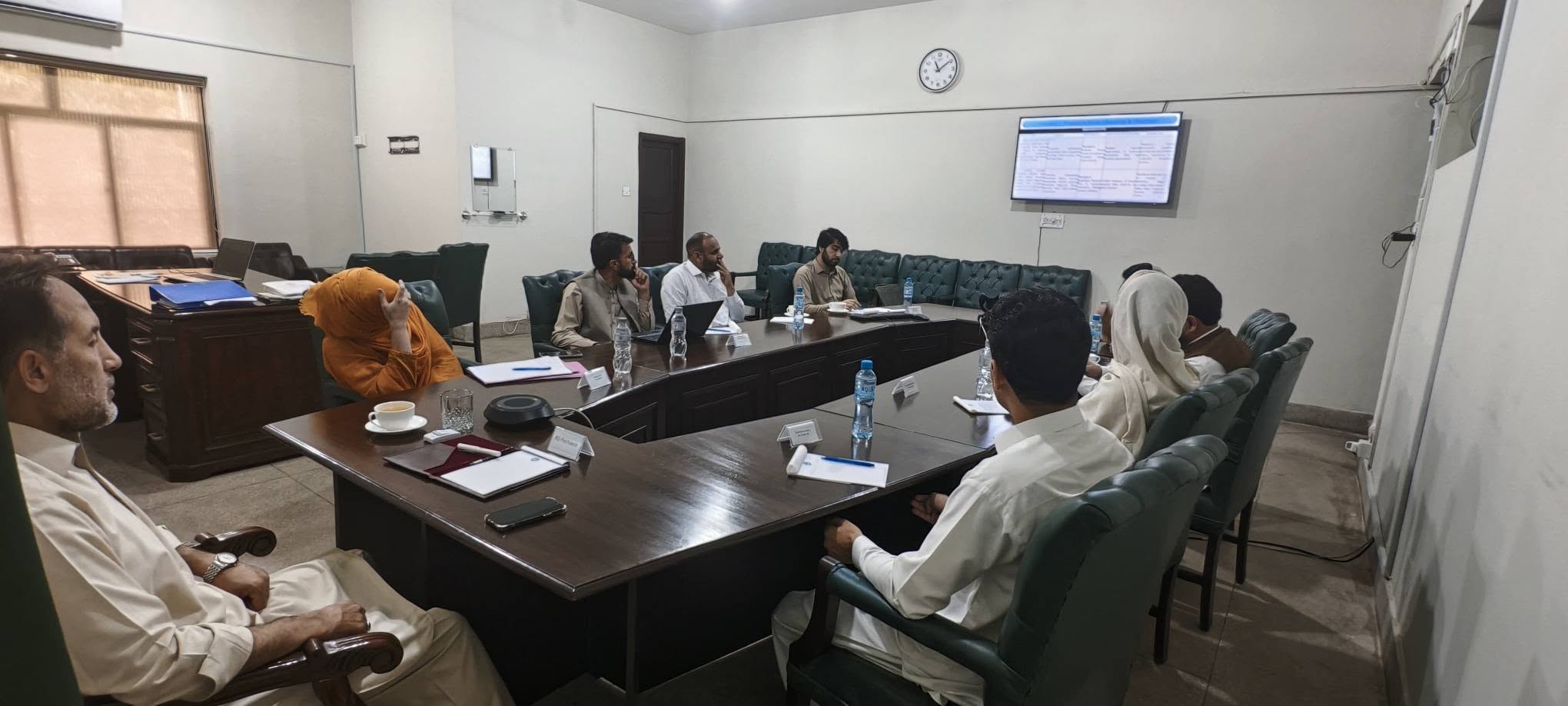
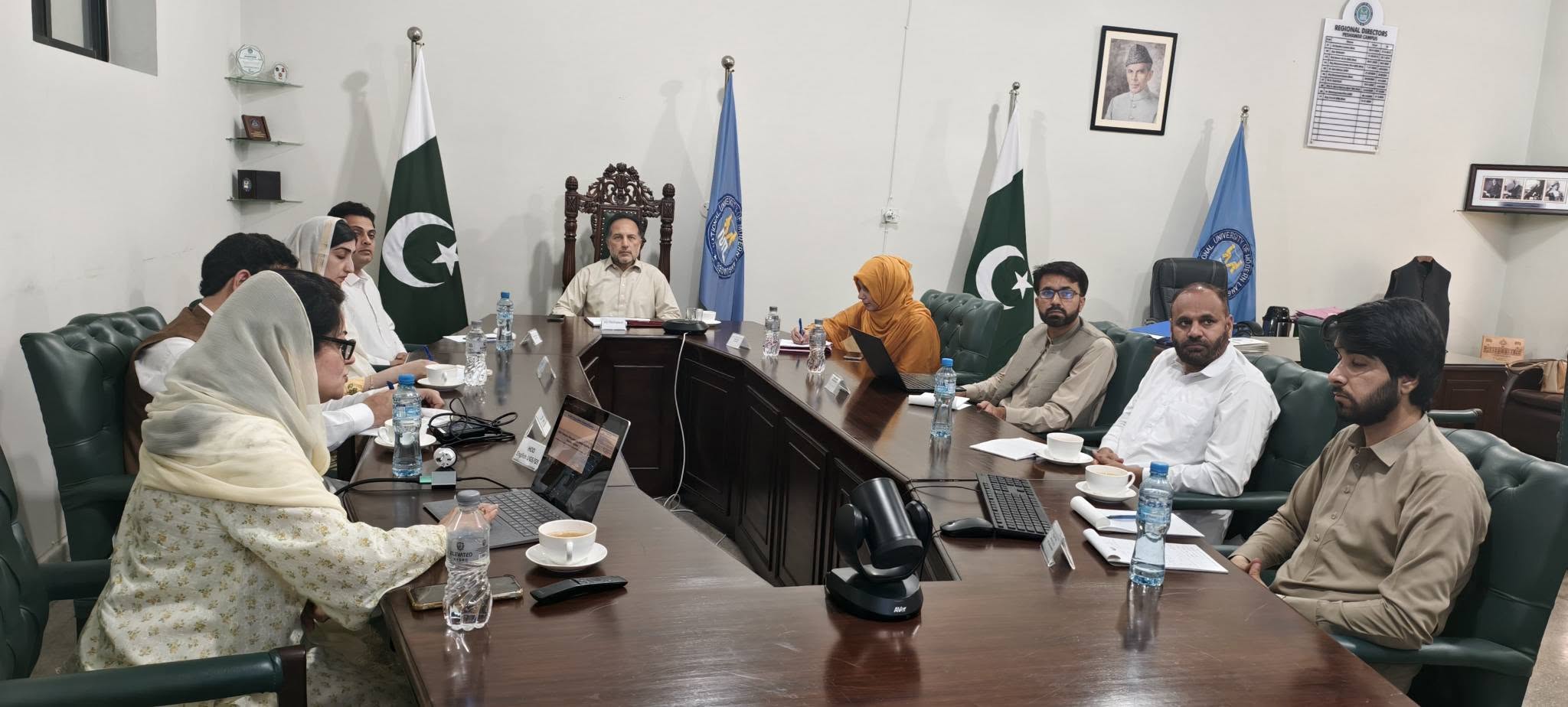
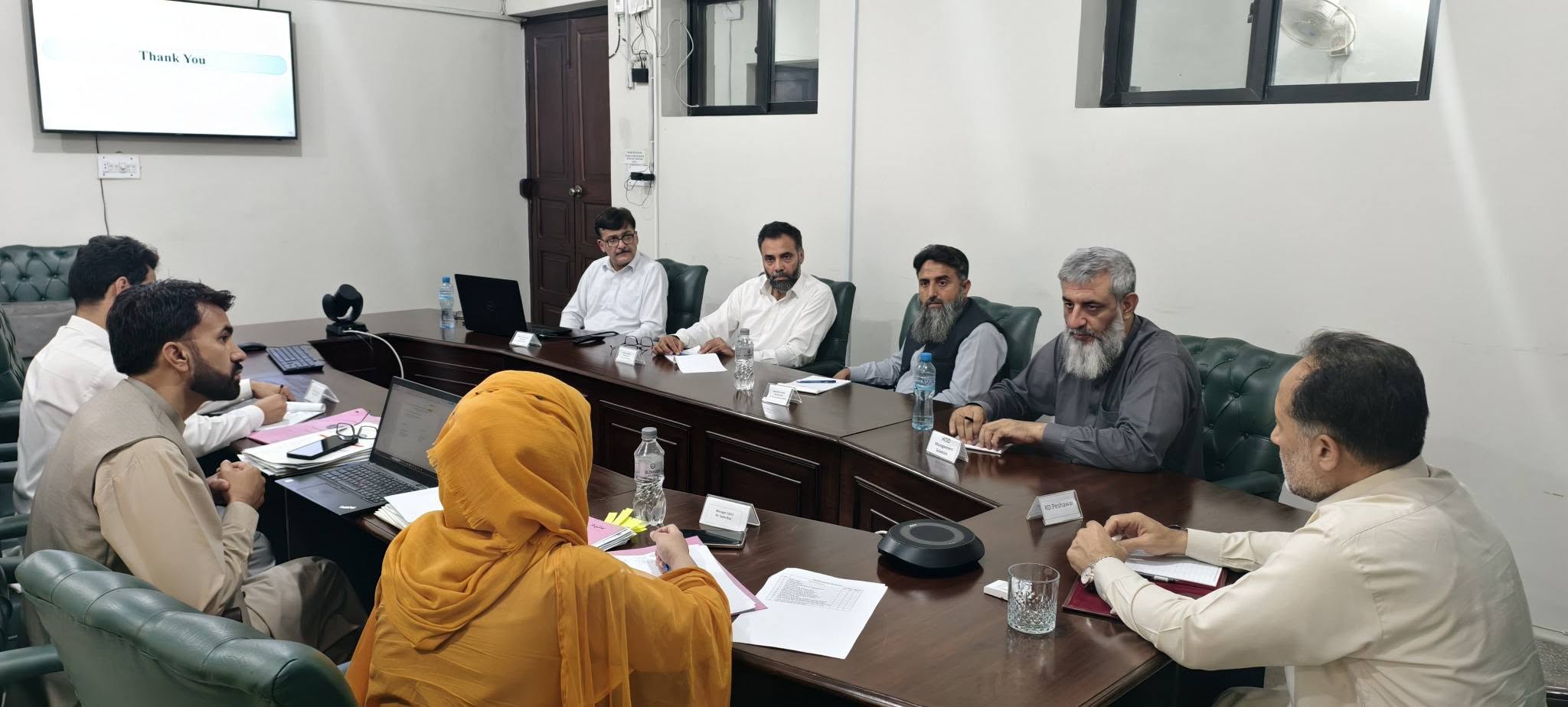
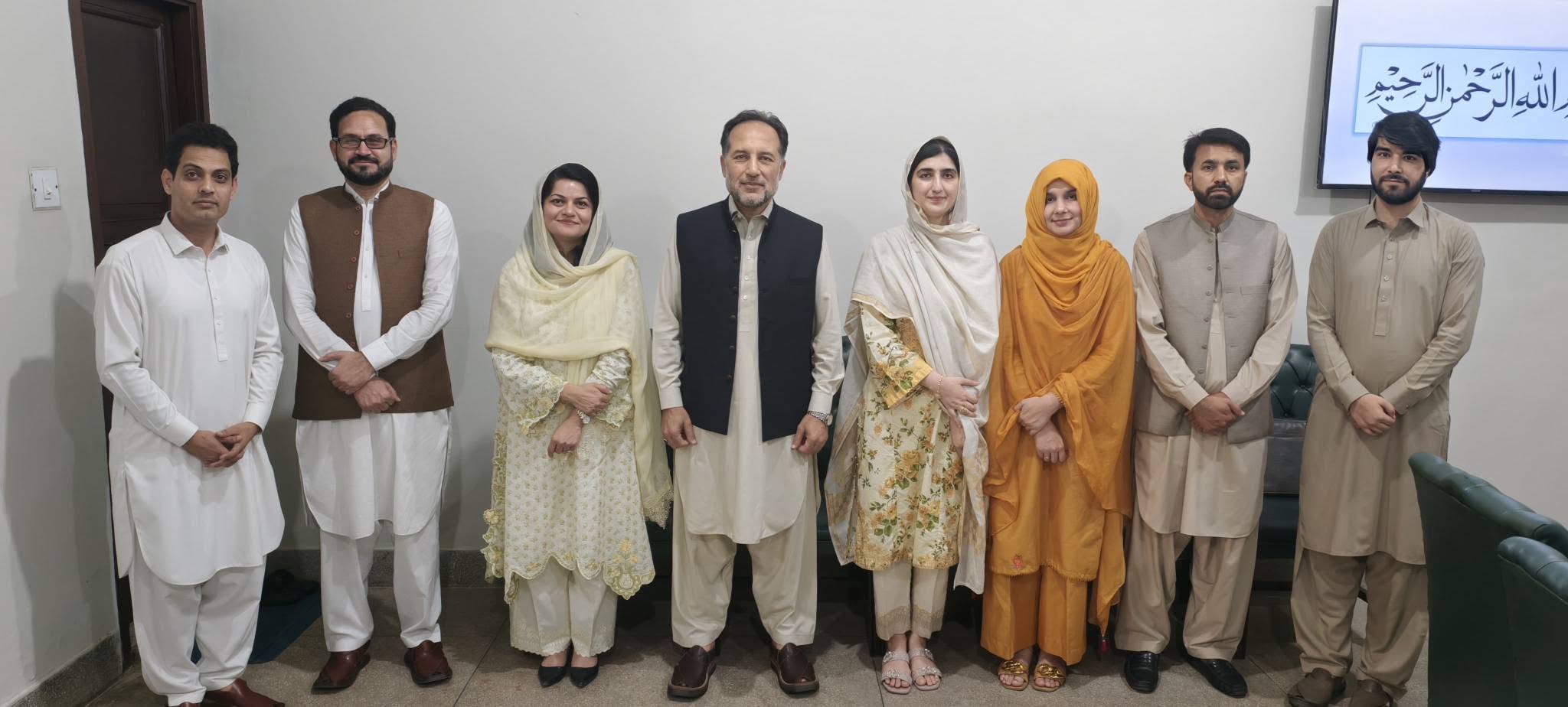
NUML Peshawar organized a screening of Jane Austen’s Pride and Prejudice under the supervision of Madam Mehvish Mughal with guidance and support from Head of English Department Dr. Samia Shakeel. We were honored to have our Regional Director Brigadier Retired Tariq Ali Sitara Imtaiz, joined us, along with respected faculty members.
This was not merely a movie screening—it was a curricular learning experience for new joiners and students. The adaptation helped learners connect the...
NUML Peshawar organized a screening of Jane Austen’s Pride and Prejudice under the supervision of Madam Mehvish Mughal with guidance and support from Head of English Department Dr. Samia Shakeel. We were honored to have our Regional Director Brigadier Retired Tariq Ali Sitara Imtaiz, joined us, along with respected faculty members.
This was not merely a movie screening—it was a curricular learning experience for new joiners and students. The adaptation helped learners connect the written text with visual interpretation, while encouraging reflection on Austen’s treatment of class, marriage, gender, morality, and social expectations. It also supported classroom discussion on character development, narrative style, dialogue, and the challenges of literary adaptation.
Thank you to our faculty, distinguished guest, and students for making this academic enrichment session meaningful.